
Reading room
Fabric Care Guides
These guides explain labels, fibers, storage, and how to prepare a garment question. They are not instructions for using cleaning solvents at home, and they do not guarantee a cleaning result.
Read a care label as a set. A wash tub, a bleach triangle, a drying square, an iron, and a professional-cleaning circle answer different questions. A cross through a symbol is a “do not” for that process. Letters inside a circle can point to a professional method. If you cannot interpret a mark, copy it into your message instead of guessing. Wear, repairs, and stains can change what is sensible even when the label is clear.
Cotton, linen, wool, and synthetic fibers do not share one limit for water, heat, or agitation. Store clothes clean and dry. Empty pockets before you ask for care, and point out anything you already tried at home. For a specific garment, call +56 2 3243 2291 or email [email protected].
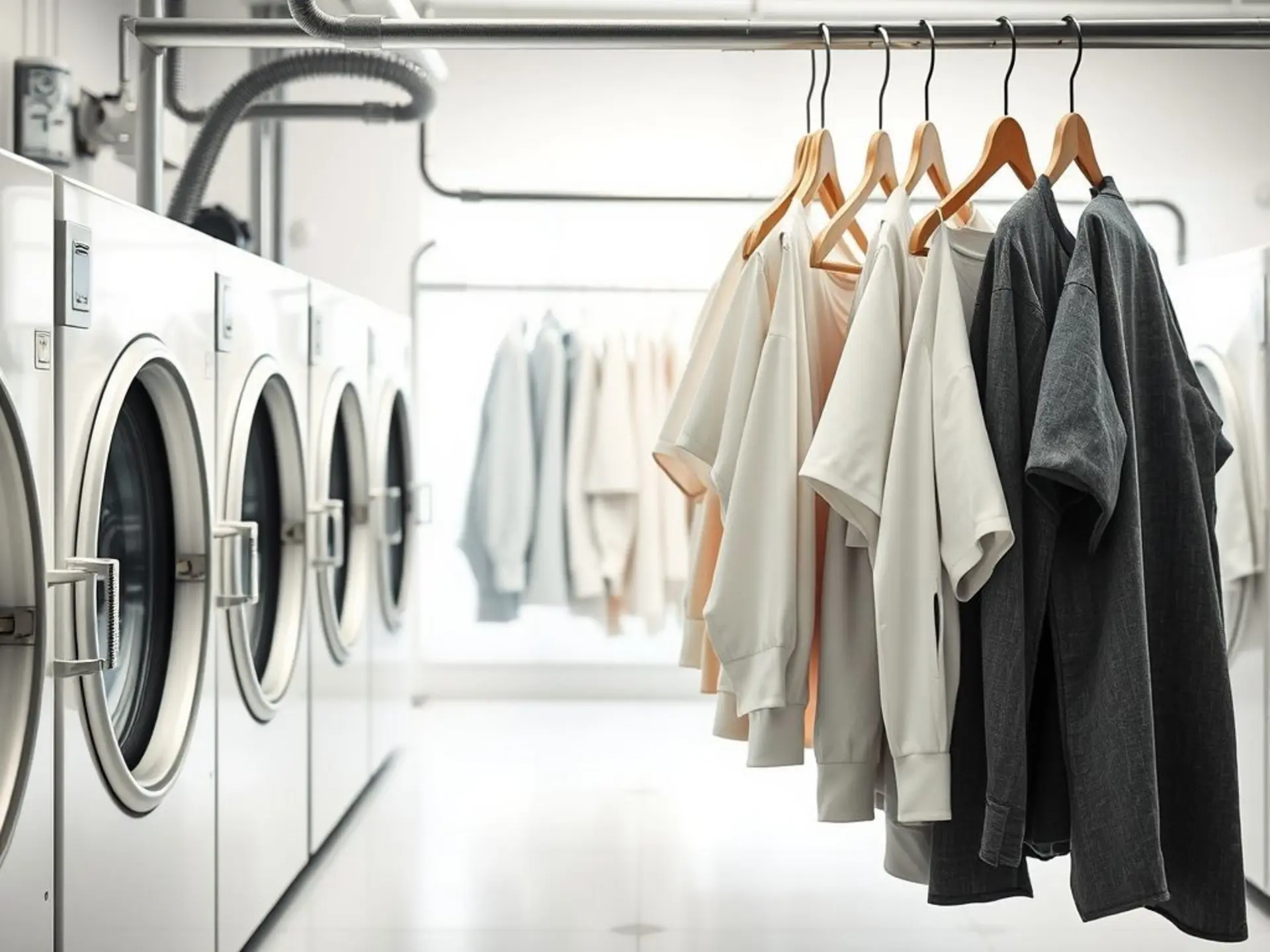
Reading garment care labels
A label usually groups symbols for wash, bleach, dry, iron, and professional cleaning. Read the whole row, not a single icon.
A wash tub refers to water washing. A triangle refers to bleaching. A square refers to drying. An iron refers to heat. A circle refers to professional cleaning. A cross through a symbol is a “do not” instruction for that process.
Letters or extra marks inside a circle can indicate a professional process. If you cannot interpret a mark, copy it into your inquiry instead of guessing. A label describes the textile as new. Wear, repairs, and stains can change what is sensible later.
Understanding fabric types
Cotton
Often labeled for washing, but finishes, dark dyes, and fused collars can still limit heat and agitation.
Linen
Creases easily and can be strong when wet or fragile when folded sharply. Pressing temperature still follows the label.
Wool
Can felt or shrink with heat, moisture, and agitation. Many wool garments point toward gentle or professional care.
Synthetics
Polyester and similar fibers may resist some stains and still melt or glaze under high heat. Check the iron symbol.
Delicate garments and stains
Delicate construction
Thin weaves, pleats, beading, and loose color need a description before anyone chooses a method. This guide does not offer leather, suede, or wedding-dress cleaning.
Common stain types
Oil, protein, tannin from drinks, dye transfer, and mud behave differently. Naming the source helps an assessment. It does not mean the mark can be removed.
What not to do
Do not apply household solvents, bleach experiments, or high heat to an unknown stain. Those steps can set a mark or damage a fiber.
Storage, shirts, suits, and preparation
- Store garments clean and dry. Soil and moisture left in cloth can mark fibers over time. A breathable cover is gentler than sealing damp clothing.
- Shirt care starts with the label, then the collar and cuffs. Pressing is a shaping step, not proof that the shirt is clean.
- Suit care considers cloth, lining, and structure. Brushing surface dust is not a substitute for cleaning, and pressing does not rebuild a worn canvas.
- When you seek professional care, empty pockets, point out stains, mention home treatments you already tried, and keep the care label attached.
- Household textiles such as curtains, bedding, and linen need size and construction notes as well as fiber. Rugs and upholstery are outside these guides.
When a guide is not enough
If the label is missing, the fiber is mixed, or a stain is already set, ask Press & Polish rather than testing a chemical at home.
How to read a label as a set
One symbol does not answer every question. Wash, bleach, drying, ironing, and professional cleaning are separate instructions.
A wash tub talks about water washing. A triangle talks about bleach. A square talks about drying. An iron talks about heat. A circle talks about professional cleaning. A cross through any of those symbols is a “do not” for that process on that label. Letters or extra marks inside a circle can narrow a professional method. If two instructions seem to conflict, copy both lines into your question instead of choosing the one that is more convenient.
Fiber content sits near those symbols on many labels. Cotton and linen can often take more moisture and heat than wool, but finishes, dyes, and linings change that. Wool can felt with agitation and heat. Many synthetics soften or shine if the iron is too hot. A blend should be treated with the more sensitive fiber in mind, not averaged into a middle setting. A lining can have its own limit even when it is not printed on the main label.
Labels describe the garment when it was made. Wear, repairs, missing buttons, and stains can make a labeled process unwise. Storage matters too: put clothes away clean and dry, and prefer a breathable cover to sealing damp cloth. Empty pockets before you ask for care. Point out anything you already tried at home, including water, heat, or a stain product.
These guides are general reading. They are not a solvent recipe and they are not a promise of a result. For a specific garment, call +56 2 3243 2291 or email [email protected], or visit Eliodoro Yáñez 2331, Providencia, Santiago. The care-label photograph on this site shows printed symbols on a shirt. It is an illustration, not a label from a Press & Polish order.