
Clothing care
Garment Care
Use this page to compare the details that matter for shirts, suits, dresses, coats, and more delicate construction. Availability of a specific service is not confirmed by this list.
Match the note to the garment, then ask.
Press & Polish does not rank fabrics or promise a finish. The table shows what is useful to mention when you request information.
A shirt question often starts at the collar and cuffs, where wear and heat show first. A suit question includes the outer cloth and the lining, canvas, and buttons. A dress question should mention closures and any beading or pleats. A coat question should mention padding and hardware. Delicate construction, such as a thin weave or loose color, needs a description before anyone chooses a method.
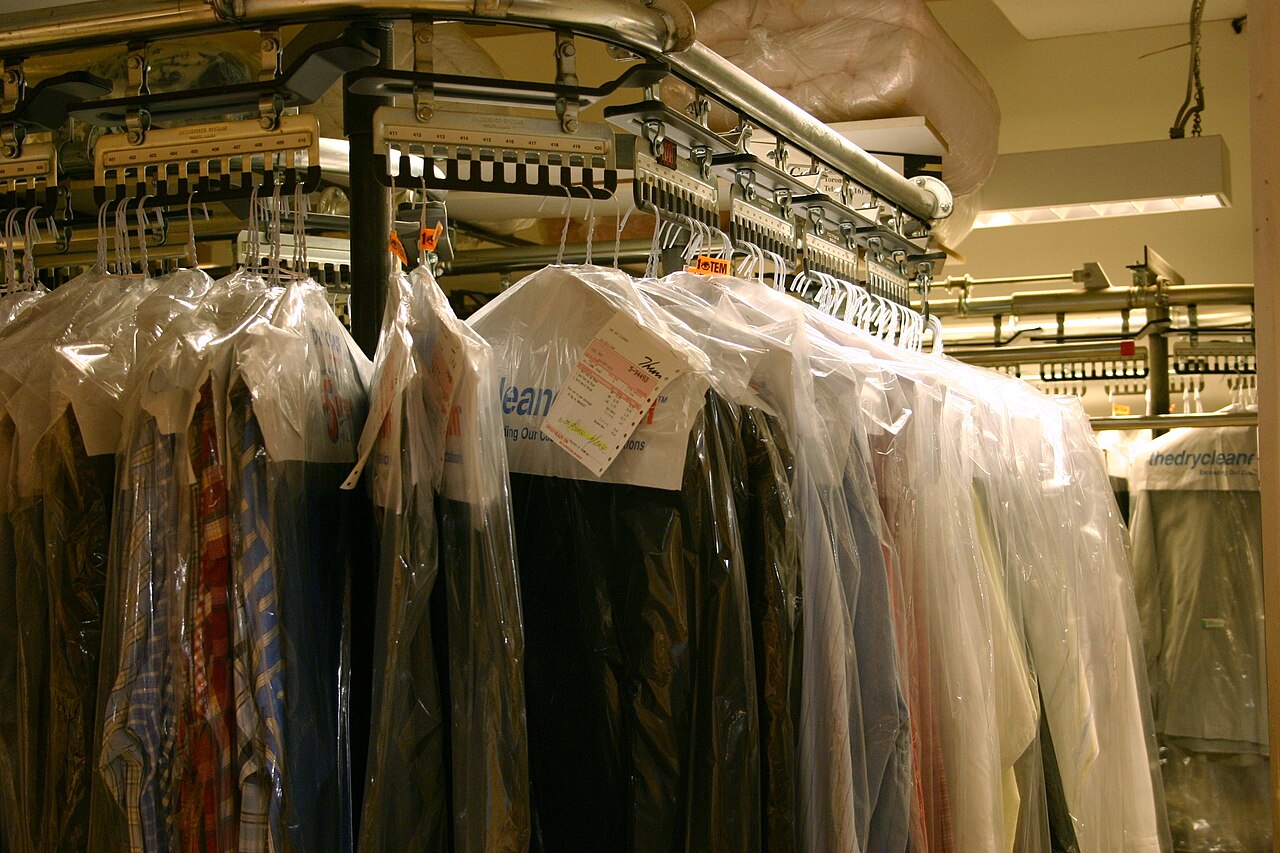
None of those rows is a promise that leather, suede, or a wedding dress will be accepted. If the item is unusual, say so at Eliodoro Yáñez 2331 or in a message to [email protected]. Photographs on this website show garment care in general. They are not pictures of the Providencia counter.
| Garment group | What to look at | Why it matters | Inquiry topic |
|---|---|---|---|
| Shirts | Collar, cuffs, placket, care label | Wear and heat limits often show up there first | Shirt care |
| Suits | Cloth, lining, canvas, buttons | Structure can matter as much as the outer fiber | Garment care information |
| Dresses | Lining, closures, embellishment | Trims may not share the main fabric’s care limit | Garment care information |
| Coats and jackets | Padding, lining, hardware | Outerwear is often layered rather than a single cloth | Garment care information |
| Delicate construction | Beading, pleats, thin weaves, loose dye | A cautious description is safer than assuming one method | Fabric care question |
Details worth writing down
- Fiber words printed on the label, even if you are unsure how to interpret them.
- Stains you can see, including where they are and whether they were already treated at home.
- Repairs, missing buttons, loose hems, or a lining that has separated.
- Any instruction that says professional clean, do not wash, or do not iron.

Delicate garments are described, not promised
Information about silk-like weaves, embellished dresses, or other delicate construction helps you prepare a question. It is not a statement that Press & Polish accepts leather, suede, wedding dresses, or luxury designer pieces. Ask about the actual garment through the inquiry form.
What to describe for each garment
The outer fabric is only part of the question. Construction, wear, and anything already tried at home change what a careful cleaner needs to know.
For a shirt, name the fiber if the label prints it, then the collar and cuffs. A fused collar, a frayed edge, and a shine from earlier ironing are visible facts. Dark dyes and linen can react to heat differently from a plain white cotton shirt. Say whether the shirt is labeled for washing or for professional cleaning.
For a suit or a structured jacket, mention the cloth and the parts you cannot see as clearly: lining, canvas, padding, and buttons. A crease you want kept, a crease that has collapsed, and a lining that is loose are different notes. Brushing dust from a shoulder is not a substitute for cleaning, and pressing does not rebuild worn inner structure.
For a dress or a coat, mention closures, pleats, beading, padding, and hardware. Delicate weaves and loose color need a description before a method is chosen. A wedding dress, leather, or suede is not covered by a general garment-care heading. If that is the item you have, say so plainly and do not assume it has been accepted.
Bring the piece to Eliodoro Yáñez 2331, Providencia, Santiago, or describe it by phone at +56 2 3243 2291 or by email at [email protected]. Empty the pockets first. Leave the care label attached. A question about a garment is not an order, and this page does not publish a price or a turnaround time.